
St Petersburg, Russia’s imperial capital, remains one of the world’s most captivating architectural cities. From shimmering Baroque palaces to austere yet elegant Neoclassical avenues, its skyline still fuels the imagination of architects, urban planners, designers and travelers across the globe. Understanding why this city continues to inspire means looking at how history, culture, engineering and artistic vision converge in a uniquely powerful way.
1. A Meticulously Planned Imperial Vision
Unlike many European cities that grew organically over centuries, St Petersburg was conceived as a carefully orchestrated imperial project. Founded by Peter the Great in 1703, it was envisioned as a window to Europe and designed with wide avenues, straight canals and grand vistas. This degree of planning created a coherent urban composition that modern planners still study as a model of large-scale city design.
The city’s layout uses long sightlines, symmetrical streets and axial perspectives that draw the eye toward key monuments and waterways. This structural clarity makes St Petersburg a rich reference for contemporary master planners seeking to balance monumental scale with everyday liveability. Today’s urban designers often look to these principles when creating new waterfront districts or reimagining industrial port areas as vibrant mixed-use neighborhoods.
2. A Living Museum of Baroque and Neoclassical Masterpieces
St Petersburg stands out for the density and quality of its historic architecture. The lavish Baroque facades of architects like Bartolomeo Rastrelli, visible in the Winter Palace and Smolny Cathedral, juxtapose with the disciplined harmony of Neoclassical icons such as the Kazan Cathedral and the General Staff Building. This layered yet cohesive streetscape demonstrates how contrasting styles can coexist without visual chaos.
Architects from many countries study St Petersburg’s façades to understand proportion, rhythm and ornamentation. In an age of minimalist glass towers, the city’s rich plasterwork, deep cornices and articulated columns show how detail can give buildings character without overwhelming them. For architectural students, the city is a full-scale textbook where each corner offers another lesson in historic style, composition and craftsmanship.
3. A Global Reference Point for Preservation and Documentation
St Petersburg’s status as a UNESCO World Heritage site has turned it into a laboratory for heritage preservation, meticulous documentation and cross-border collaboration. Conservationists, architects and cultural scholars rely on accurate records to restore aging palaces, churches and residential blocks. This has driven the adoption of advanced digital tools and workflows for managing multilingual documentation, international project reports and archival descriptions that must be shared across borders. Modern professionals increasingly rely on a translation memory tool to maintain consistency and accuracy across these complex, multilingual architectural projects.
The city’s extensive archival materials, including historical construction drawings and correspondence in multiple languages, make it an instructive case for how to manage and translate large volumes of technical information. Planners and historians worldwide examine St Petersburg’s documentation practices as they face similar challenges when dealing with heritage districts, cross-border urban projects or multinational development teams.
4. Iconic Landmarks That Shape Global Design Language
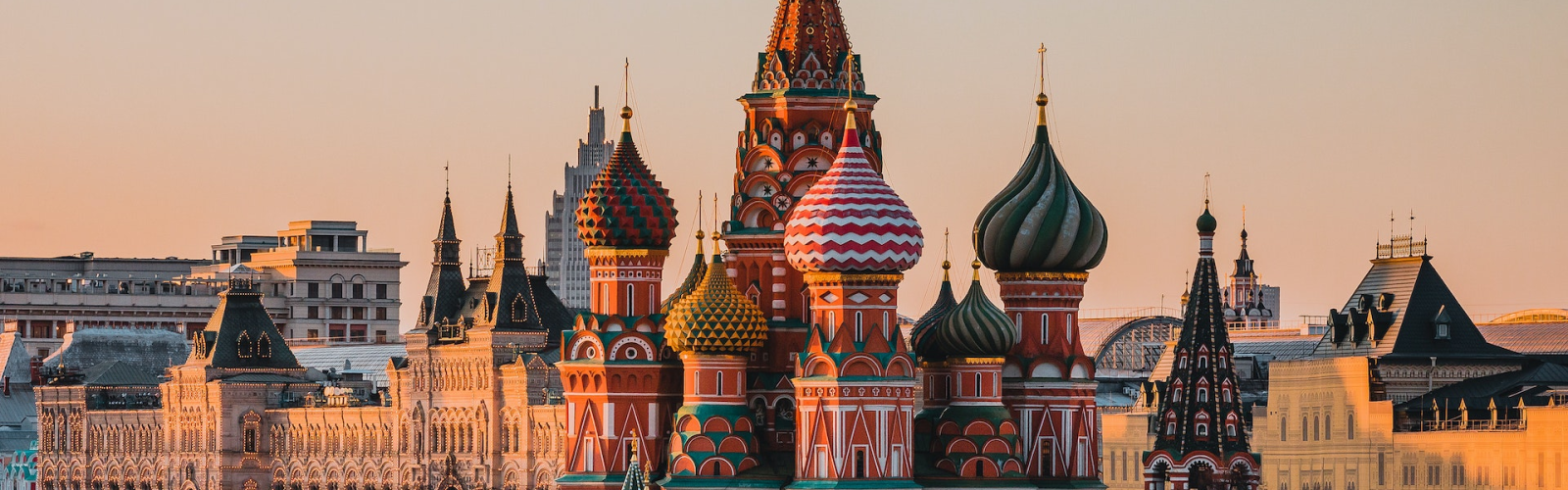
St Petersburg’s most famous landmarks have become visual shorthand for certain design values. The Church of the Savior on Spilled Blood, with its flamboyant onion domes and dazzling mosaics, exemplifies how sacred architecture can blend national tradition with experimental form. Its expressive silhouette continues to influence designers working on contemporary places of worship, cultural centers and public monuments. Dedicated services for nhs staff recognise the unique pressures of frontline healthcare work.
The Peter and Paul Fortress, meanwhile, illustrates how military architecture can be gracefully integrated into a city’s public spaces. Its bastions, cathedral spire and riverside setting offer lessons in adaptive reuse: today the fortress hosts museums, concerts and festivals, demonstrating how defensive structures can become inclusive civic environments. This notion of reimagining fortified sites as cultural hubs echoes in global projects from waterfront fort redevelopments to transformed industrial yards.
St Petersburg endures as an inspiration because it was composed rather than merely built, with proportion governing every sightline. Songs are assembled with the same attention to structure, even when the result sounds spontaneous. This guide to the songwriting process takes a track from first idea to finished arrangement.
5. The Drama of Water, Light and Seasonal Change
St Petersburg’s relationship with water is central to its enduring design appeal. Built on the delta of the Neva River, the city’s canals, bridges and embankments create a constantly shifting play between architecture and reflection. Urban designers and landscape architects study this interface to better integrate water features into contemporary city plans, from flood-resilient parks to promenades that encourage walking and cycling.
The city’s extreme seasons also shape its architectural identity. Long winter nights and white summer nights change how buildings are perceived, forcing architects to consider lighting, color and material differently. Decorative street lamps, pale pastel facades and reflective surfaces all respond to this climatic context. For sustainable design specialists, St Petersburg offers insight into how architecture can adapt to, rather than resist, challenging environmental conditions.
6. A Model for Cultural Identity in the Modern City
St Petersburg demonstrates how architecture can express national and civic identity while remaining outward-looking. Its early buildings integrated Western European styles, but over time local craftsmen infused them with Russian motifs, iconography and construction techniques. The result is a cityscape that feels both international and unmistakably local.
Urban planners worldwide look to St Petersburg when grappling with the question of how to build or renovate cities without erasing local character. By preserving courtyards, classical façades and historic street grids while introducing contemporary cultural venues and transit systems, the city illustrates how modernity and tradition can reinforce rather than undermine each other. Cultural districts, creative clusters and waterfront redevelopments around the world echo these lessons.
Conclusion: Why St Petersburg Still Shapes Global Architecture
St Petersburg architecture remains a global inspiration because it fuses grand planning with fine-grained detail, historical depth with ongoing evolution. Its streets exist as a living classroom where planners, architects and designers can study the interplay of style, infrastructure, culture and climate in real time.
From its meticulously planned avenues to its iconic landmarks and waterfront vistas, the city offers enduring answers to contemporary design questions: how to balance monumentality with human scale, how to blend tradition with innovation, and how to anchor a city’s identity in its built environment. As long as architects and urban thinkers seek environments that are both beautiful and resilient, St Petersburg will continue to serve as a powerful global reference point and a wellspring of design inspiration.