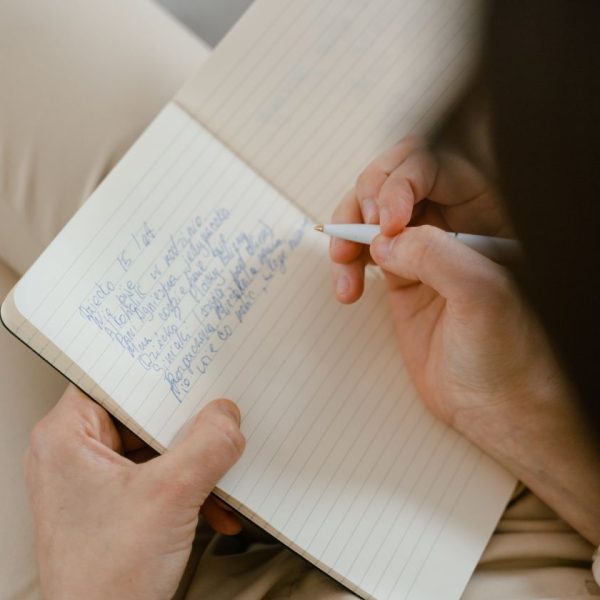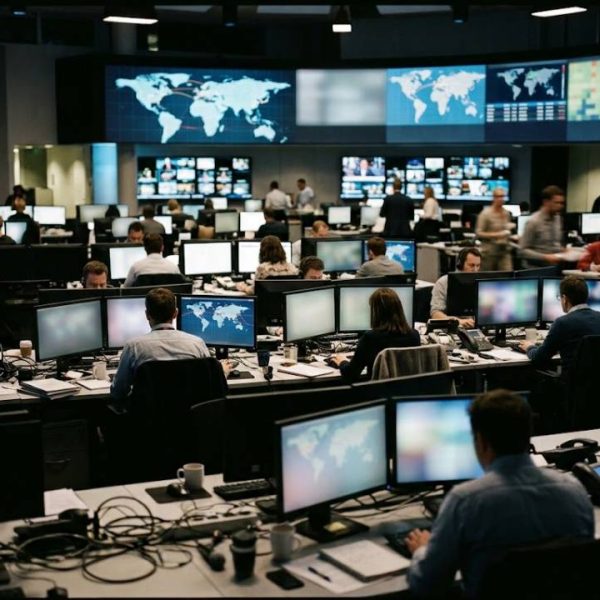

Most of us read the news in our own language, yet a surprising share of what we read began in another one. A speech in Brussels, a report from Tokyo or an interview in Lagos reaches readers only after someone has translated it. Every translated headline is a small act of interpretation, and the choices made along the way shape what readers believe.
How foreign stories reach your screen
International news travels through wire services, local correspondents and translation desks. Journalists often work with sources in several languages, then write the final story in the language of their audience. Quotes are the most delicate part, because they must be both accurate and readable.
In a fast newsroom, deadlines are tight. That pressure is why clear workflows and trained linguists matter.
The power of a single word
Translation is rarely a matter of swapping one word for another. Words carry tone, history and political weight. A term that sounds neutral in one language can sound accusatory in another. Choosing between "regime" and "government" or between "protest" and "riot" changes the mood of a story completely.
Good editors know this and ask translators to flag any term that could be read in more than one way.
Headlines are the hardest part
A headline is short, punchy and full of cultural shortcuts. Puns, idioms and references rarely work after a direct translation. Writers often need to rebuild the headline in the new language while keeping the facts intact.
If a headline promises something the article does not deliver, trust drops fast. Careful translation protects both accuracy and credibility.
Quotes, names and numbers
Three details demand special care. Quotes must reflect what was really said, with the right level of formality. Names should follow a consistent spelling, including transliteration rules for languages with different alphabets. Numbers, dates and currencies need correct formats and units.
A single wrong digit in a financial report can mislead thousands of readers. A second reader who checks the final text is a simple and effective safeguard.
Translation agencies and the media
Many publishers work with outside specialists during busy periods, such as elections or major events. A trusted translation agency can provide linguists who know the subject, follow style guides and meet short deadlines.
Share background material with them in advance: glossaries, previous stories and the preferred spelling of names. It saves time and prevents mistakes.
Video, subtitles and social media
News now travels as video as much as text. Subtitles must be short, timed to the speaker and easy to read in a glance. Mistakes here are very visible. A closer look at subtitle translation errors shows how timing, length limits and cultural references can distort a message.
Social posts add another challenge. Space is tight, hashtags are cultural, and a poor translation can spread in minutes.
Machine translation in the newsroom
Many newsrooms now use machine translation to scan foreign sources quickly. It is a helpful tool for getting the gist of a document or a social post. For publication, however, a human check is essential, especially for quotes and sensitive topics.
The best teams treat software as a first draft and never as the final word.
What readers can do
Readers also play a role. When a story seems surprising, check the original source if you can. Compare coverage from different outlets and languages. Notice when a quote appears only in translation and ask who translated it.
Media literacy includes awareness of language. A critical reader asks not only what was said, but how it was said and by whom it was rendered.
Training and research for journalists
Organisations that study the news industry offer useful material for reporters and editors. The Reuters Institute for the Study of Journalism publishes research and guidance on reporting, trust and digital news habits.
Cultural context matters
Every language reflects a way of seeing the world. Proverbs, humour and polite forms rely on shared experience. When a translator explains a reference in a few words or adapts it for the new audience, the story becomes clearer without losing its meaning.
Context notes, short explainers and sidebars can help when a literal translation would confuse readers.
Ethics and transparency
Readers deserve to know when a text has been translated, summarised or adapted. A short note such as "translated from the original" builds trust. If a correction is needed, publish it clearly and quickly.
Transparent habits make it easier to defend good work and to learn from mistakes.
Building a better workflow
A strong translation workflow has four parts: a clear brief, a trained linguist, a second review and a feedback loop. Keep glossaries current, track recurring errors and share lessons across the team.
These small routines add up to faster delivery and fewer corrections.
Words that carry the world
Translation is the quiet infrastructure of international news. It rarely gets credit, yet it shapes how people see events far from home. Investing in careful, transparent translation is an investment in trust.
The next time you read a story from abroad, remember the unseen work that made it possible.